
A Contemporary Understanding of Attention Differences
At Mind Body Psychiatry, we view ADHD (Attention-Deficit/Hyperactivity Disorder) through a balanced lens. We accomplish this by recognizing both the very real challenges it presents and the unique cognitive strengths it can offer. Our approach honors neurodiversity while providing effective support for areas of difficulty.
ADHD is not simply a disorder but a different way of processing a world with distinct personal advantages and challenges. Understanding this balance is key to effective treatment that enhances life quality while preserving the creative, dynamic thinking that often accompanies ADHD.
ADHD Resources from Our Experts
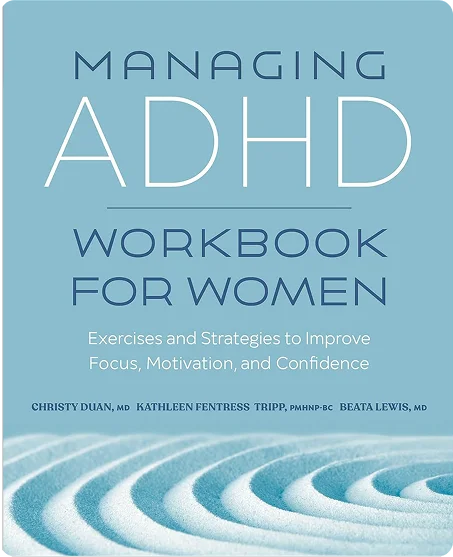
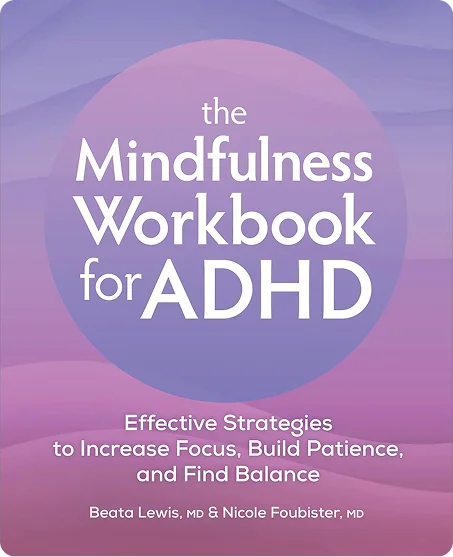
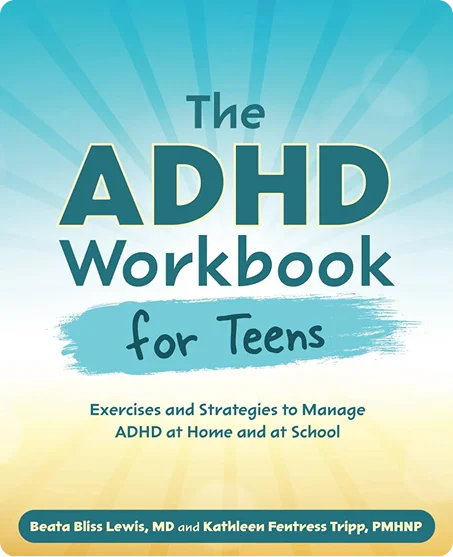
Bring Our Expertise Home
These workbooks extend the support we provide beyond the therapy room, offering structured guidance between sessions or as standalone resources. Many of our clients find these books valuable companions to their treatment, providing consistent reinforcement of strategies and skills.
Our books reflect the same philosophy that guides our clinical work: ADHD presents real challenges that respond to targeted strategies, while also conferring unique strengths that can be leveraged for success.
Books are available through major retailers, including Amazon.
Our ADHD team










ADHD: Beyond the Label
Reframing Attention Differences
ADHD affects approximately 5-9% of children and 2-5% of adults worldwide, making it one of the most common neurodevelopmental variations. While traditionally viewed primarily as a disorder of attention deficits and hyperactivity, contemporary understanding recognizes ADHD as a complex difference in how the brain regulates attention, impulses, and energy.
Key aspects include:
- Attention Regulation (not deficit): Difficulty sustaining attention for non-engaging tasks alongside the ability to hyperfocus on interesting activities
- Executive Function Differences: Challenges with organization, time management, working memory, and emotional regulation
- Energy Regulation: Variable energy levels that can manifest as hyperactivity or, particularly in adults, as internal restlessness
- Interest-Based Nervous System: Motivation and attention driven more by interest, novelty, challenge, and urgency than by importance
Understanding these patterns helps explain why individuals with ADHD often struggle with conventional expectations while excelling in environments that engage their strengths.
The Gifts of ADHD
Recognizing Neurodivergent Strengths
Many successful entrepreneurs, artists, scientists, and innovators have ADHD traits that contributed to their achievements. Common strengths associated with ADHD include:
- Creative Thinking: Novel connections and out-of-the-box problem-solving
- Hyperfocus: Intense concentration on engaging tasks, often leading to exceptional productivity
- Cognitive Flexibility: Ability to shift perspectives and adapt to changing circumstances
- Resilience: Experience navigating challenges often builds remarkable persistence
- Energy and Enthusiasm: Passion and drive when engaged in meaningful pursuits
- Crisis Management: Calm and effective thinking during emergencies or high-pressure situations
- Intuitive Understanding: Strong pattern recognition and big-picture thinking
These strengths represent the flip side of ADHD challenges. The same brain wiring that creates difficulties in some contexts enables exceptional abilities in others.


ADHD Challenges
Understanding Real-World Impacts
While celebrating strengths, we acknowledge the significant challenges ADHD can present:
Key aspects include:
- Academic and Work Performance: Difficulty meeting deadlines, maintaining focus on required tasks, and organizing materials
- Relationship Strain: Forgetfulness, interrupting, or difficulty following through on commitments
- Emotional Regulation: More intense emotional responses and trouble managing frustration
- Self-Esteem Issues: Years of criticism and perceived failures often impact confidence
- Health Impacts: Higher risk for sleep problems, stress-related conditions, and accidents
- Financial Challenges: Impulsive spending, missed bills, or career underachievement
- Executive Function Demands: Difficulty with planning, organizing, and completing multi-step tasks
These challenges are real and often significant. Effective treatment addresses these areas while preserving neurodivergent strengths.
Our Comprehensive ADHD Assessment
Beyond Symptom Checklists
At Mind Body Psychiatry, we believe in thorough, multidimensional assessment. Our evaluation process includes:
- Clinical Interviews: Detailed discussions about current functioning and developmental history
- Standardized Assessments: Evidence-based screening and diagnostic tools
- Strengths Identification: Recognizing positive traits and abilities
- Rule Out/Comorbidity Assessment: Evaluating other conditions that may coexist with or mimic ADHD
- Biological Considerations: Optional functional medicine testing to identify contributing factors
This comprehensive approach ensures accurate diagnosis and informs personalized treatment planning.

Our Integrative Approach to ADHD Treatment
Effective ADHD management typically involves multiple strategies working together. Our integrative approach may include:
Medical Approaches
- Medication Options: When appropriate, carefully prescribed and monitored medication to improve attention regulation and executive function
- Nutritional Interventions: Targeted supplements based on individual needs
- Sleep Optimization: Addressing sleep issues that exacerbate ADHD symptoms
- Digestive challenges
- Functional Medicine Testing: To uncover hidden root cause drivers of sympotms
Psychological Strategies
- Executive Function Coaching: Practical strategies for organization, time management, and task completion
- Cognitive-Behavioral Therapy: Techniques to manage unhelpful thought patterns and build coping skills
- Mindfulness Training: Practices to improve attention control and emotional regulation
Lifestyle Optimization
- Environmental Modifications: Creating spaces and routines that work with ADHD brain wiring
- Exercise Planning: Incorporating movement to improve focus and reduce hyperactivity
- Stress Management: Techniques to reduce the impact of stress on ADHD symptoms
Technology Support
- Digital Tools: Recommendations for apps and systems that support organization and focus
- Reminder Systems: Creating effective external memory aids
Our providers collaborate with you to develop a personalized treatment plan that addresses your specific challenges while honoring your unique strengths and preferences.

ADHD Across the Lifespan
Evolving Presentations and Needs
ADHD manifests differently across developmental stages:
Children with ADHD often show more visible hyperactivity and may struggle with classroom expectations, social interactions, and following multi-step instructions. Early intervention can prevent secondary issues like low self-esteem and academic difficulties.
Adolescents with ADHD face increasing demands on executive function as academic requirements become more complex and they take on more independence. Supports may need to address organization, long-term planning, and social navigation.
Adults with ADHD may experience less obvious hyperactivity but continued challenges with organization, time management, and emotional regulation. Career functioning, relationship dynamics, and parenting responsibilities often become focal points for treatment.
Our providers tailor assessment and treatment approaches to age-appropriate concerns while maintaining a strengths-based perspective.
For Partners and Family Members
Supporting Your Loved One with ADHD
When someone you love has ADHD, understanding their neurological differences can transform your relationship. We offer:
- Education about how the ADHD brain works
- Communication strategies that work with ADHD traits
- Boundary-setting that balances support with independence
- Approaches that reduce family tension and conflict
We welcome family involvement (with client permission) to create a supportive environment that fosters success.


Taking the First Step
Starting ADHD treatment at Mind Body Psychiatry is straightforward:
- Initial Contact: Reach out through our website or by phone
- Brief Intake Forms: Complete our intake forms, including ADHD-specific questionnaires
- Comprehensive Evaluation: Meet with a provider for thorough assessment
- Collaborative Planning: Develop your personalized treatment approach
- Ongoing Support: Regular appointments to refine strategies and monitor progress
We welcome family involvement (with client permission) to create a supportive environment that fosters success.
Frequently Asked Questions
How do I know if I have ADHD or if I'm just forgetful or disorganized?
While everyone experiences occasional forgetfulness or disorganization, ADHD involves persistent, pervasive patterns that significantly impact functioning across multiple life areas. Key distinctions include the intensity, frequency, and duration of symptoms, which typically begin in childhood (even if not diagnosed then). Professional assessment is important for accurate diagnosis, as other conditions can cause similar symptoms. Our comprehensive evaluation looks beyond simple checklists to understand your unique attention patterns and their impact on your life.
Can adults develop ADHD, or was it just missed in childhood?
ADHD doesn't suddenly develop in adulthood. It's a neurodevelopmental condition present from childhood. However, many adults, particularly women and those with primarily inattentive presentation, weren't diagnosed in childhood when their symptoms were less obvious or masked by coping strategies. Sometimes ADHD becomes more apparent in adulthood when self-managed structure decreases or responsibilities increase. During assessment, we carefully explore childhood history for early signs that may have been overlooked.
What's the difference between ADD and ADHD?
"ADD" (Attention Deficit Disorder) is an outdated term that was officially changed to "ADHD" in 1987. Currently, clinicians recognize three presentations of ADHD: primarily inattentive (formerly called ADD), primarily hyperactive-impulsive, or combined presentation. The primarily inattentive presentation often involves more subtle symptoms like daydreaming, distractibility, and disorganization rather than the more visible hyperactivity, which is why it was often missed, especially in girls and women.
Is medication the only effective treatment for ADHD?
No, though medication can be very helpful for many people. Research indicates that multimodal treatment, which combines appropriate medication when indicated with behavioral strategies, lifestyle optimization, executive function support, and the management of co-occurring conditions, provides the most comprehensive benefits. Our integrative approach includes medication as one potential tool among many, and some clients manage their ADHD effectively with non-medication approaches. Treatment plans are highly individualized based on symptom severity, personal preferences, and specific life demands.
What functional medicine approaches do you use for ADHD?
Our functional medicine approach considers underlying biological factors that may contribute to ADHD symptoms or exacerbate their impact. This might include testing for and addressing:
- Nutritional deficiencies (particularly iron, zinc, magnesium, vitamin D, and omega-3 fatty acids)
- Food sensitivities or inflammatory dietary patterns
- Gut health and microbiome imbalances
- Hormonal fluctuations that affect attention and cognition
- Sleep quality and circadian rhythm regulation
- Environmental sensitivities and exposures
How does diet affect ADHD, and should I eliminate certain foods?
Research shows nutrition can significantly impact ADHD symptoms. While individual responses vary, some people benefit from:
- Reducing processed foods high in artificial colors, preservatives, and sweeteners
- Identifying and limiting personal food sensitivities (through elimination trials or testinIncreasing omega-3 fatty acids, protein, and complex carbohydrates
- Ensuring adequate micronutrients like zinc, iron, and magnesium
- Maintaining stable blood sugar through regular, balanced meals
Can ADHD be outgrown or cured?
ADHD is a lifelong neurodevelopmental condition. This is not something one outgrows or cures. However, symptoms often evolve over time, and many people develop effective coping strategies and find environments that match their cognitive style. Additionally, effective treatment can substantially reduce symptom impact, sometimes to the point where diagnostic criteria are no longer met. Our goal is to help you maximize functioning and life satisfaction while embracing the positive aspects of your neurotype.
How do you differentiate ADHD from anxiety, depression, or other conditions?
Distinguishing ADHD from other conditions requires careful assessment, as there's significant symptom overlap. Difficulty concentrating, for example, can stem from ADHD, anxiety, depression, PTSD, or sleep disorders. Our comprehensive evaluation process considers:
- The timeline and context of symptoms
- Whether attention issues persist when anxiety or mood improves
- Presence of ADHD-specific features like interest-based attention
- Response to previous treatments
- Family history
What parenting strategies help children with ADHD thrive?
Effective parenting approaches for children with ADHD include:
- Creating clear structure with visual reminders and consistent routines
- Breaking tasks into manageable steps with frequent positive feedback
- Using immediate, specific rewards for desired behaviors
- Allowing appropriate outlets for physical energy and movement
- Collaborating with schools on accommodations and supports
- Focusing on strengths and building competence in areas of interest
- Separating the child from the behavior in your responses
How does ADHD affect relationships, and can couples therapy help?
ADHD can significantly impact relationships through misinterpreted symptoms: forgetfulness may seem like lack of caring, distractibility like disinterest, and impulsivity like selfishness. Partners may fall into unhelpful dynamics where one becomes the "manager" and the other feels controlled. Couples therapy can be tremendously helpful by:
- Increasing understanding of how ADHD affects the relationship
- Developing communication patterns that work for both partners
- Creating systems that reduce ADHD-related friction
- Balancing responsibilities in ways that acknowledge strengths and challenges
- Rebuilding emotional connection that may have been strained
What accommodations are helpful for students with ADHD?
Effective educational accommodations might include:
- Extended time for tests and assignments
- Reduced homework load or chunked assignments
- Preferential seating to minimize distractions
- Permission to use fidgets or movement breaks
- Use of assistive technology like text-to-speech software
- Note-taking support or provided class notes
- Oral testing options or private testing spaces
How can I leverage my ADHD strengths in my career?
Many adults with ADHD thrive in careers that:
- Offer variety and novelty rather than repetitive tasks
- Provide frequent feedback and clear deadlines
- Allow creative problem-solving and innovation
- Accommodate flexible working styles
- Include some physical movement
- Align with personal interests and values